How Tight Should Ice Hockey Skates Be? A Proper Fit Explained
Ice hockey skates should feel snug and secure without causing numbness or sharp pressure. Learn how to check toe room, heel lock, ankle support and lacing tension.
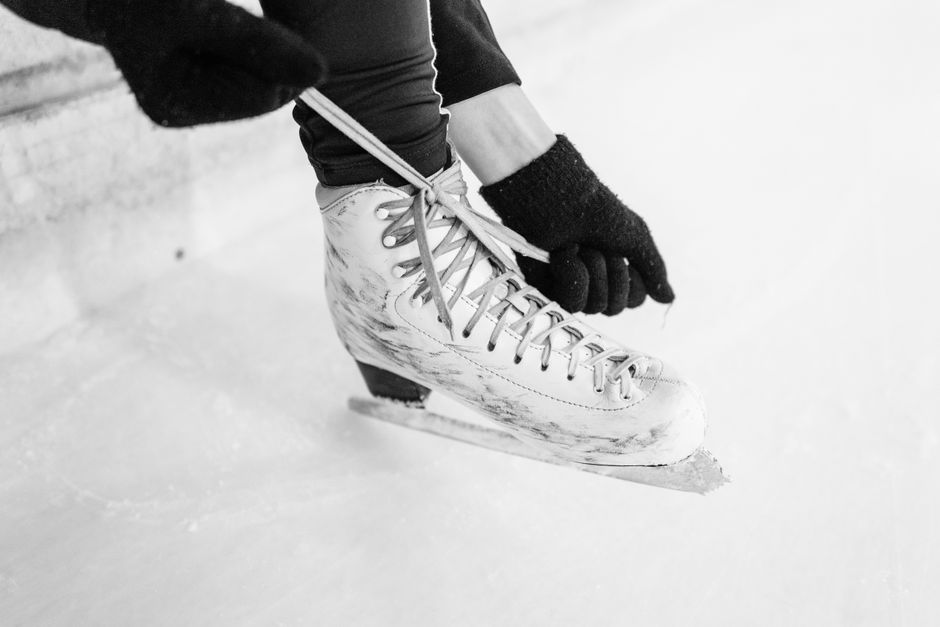
Ice hockey skates should fit snugly around your foot, heel and ankle without causing pain or cutting off circulation. Your toes may lightly brush the toe cap while standing, but they should pull back slightly when you bend your knees into a skating stance. A loose skate reduces control, while an overly tight skate can cause numbness, blisters and pressure points.
What a properly fitted hockey skate feels like
The most important test is heel and ankle security. With the skate laced, your heel should stay seated when you lift your heel or bend forward. It should not slide noticeably from side to side or rise out of the boot with each stride.
Your toes should have minimal space at the front. They can touch the toe box lightly when you stand upright, especially before the skate is fully broken in. Once you flex your knees and lean forward, your toes should move away from the front rather than curl tightly against it.
The boot should hold the midfoot firmly, but it should not create sharp pressure across the instep. You should be able to flex your ankle forward without feeling a hard pinch. A snug fit feels supportive; a painful fit usually indicates the wrong size, width or skate shape rather than a lacing problem.
How to check skate tightness before skating
Try on ice hockey skates with the same socks you plan to wear on the ice. Lace them while seated, then stand and bend your knees as if you were skating. Walk carefully for a few minutes and check whether your heel stays in place and whether any area develops concentrated pressure.
- Toe room: Your toes should not be jammed or forced to curl. Excessive empty space at the front usually means the skate is too long.
- Heel lock: Your heel should remain planted when you flex forward or lift the front of your foot.
- Midfoot fit: The foot should feel held in place without throbbing, tingling or numbness.
- Ankle support: The upper eyelets should secure the ankle without preventing normal forward flex.
- Width: Your little toe and the sides of your foot should not be squeezed against the boot.
Do not judge fit by standing upright alone. Hockey skates are designed for a bent-knee position, so the skating stance reveals more than ordinary walking. If your toes touch the cap only while standing and move back when you flex, the length may be correct.
How tightly to lace ice hockey skates
Lace the lower part of the skate firmly enough to stop your foot from sliding, then adjust tension around the ankle. The laces should lie securely across the tongue without creating painful pressure on the top of your foot.
Many players prefer a firm lower section and slightly less tension around the upper ankle. This keeps the heel down while allowing the ankle to bend forward. Pulling every eyelet as tightly as possible can restrict movement and contribute to numb feet.
After skating for several minutes, retighten the laces if the boot has settled. A properly fitted skate should not need to be crushed tightly around your foot to feel stable.
Signs hockey skates are too tight or too loose
Skates are probably too tight if you experience persistent numbness, tingling, burning, cold toes, bruising or sharp pain. Pressure that remains after loosening the laces may point to an unsuitable width or boot shape. Do not expect severe pain to disappear simply through break-in.
Skates may be too loose if your heel lifts, your foot slides forward, your toes hit the toe cap during stops, or you must overtighten the laces to maintain control. Extra socks rarely solve a major sizing problem and can create more pressure inside the boot.
Fit changes after baking and break-in
Many modern hockey skates are heat-moldable. After proper baking and break-in, the liner can conform more closely to your foot, reducing minor pressure points and improving heel hold. Heat molding does not reliably fix a skate that is fundamentally too long, too short or too narrow.
A new skate may feel firm but should still allow normal circulation and ankle flex. If pain is concentrated in one spot, ask an experienced skate fitter about punching or stretching that area instead of simply tightening the laces.
Frequently asked questions about hockey skate fit
Should your toes touch the end of hockey skates?
They may lightly touch the toe cap while standing, but they should not be crushed against it. When you bend your knees into a skating stance, your toes should pull back slightly.
Should hockey skates feel tighter than shoes?
Yes. Hockey skates should fit more closely than everyday shoes because the boot must transfer movement directly to the blade. Close-fitting does not mean painful or numb.
Can loose hockey skates cause blisters?
Yes. Heel movement creates friction inside the boot, particularly during skating stops and turns. Improving heel lock through the correct size, width and lacing is usually more effective than wearing thicker socks.