How Does Rest Affect Hockey Betting? A Practical Analysis
Rest can influence skating pace, goaltender decisions, travel impact, and late-game performance. Learn how to evaluate schedule fatigue without treating rest as an automatic betting signal.
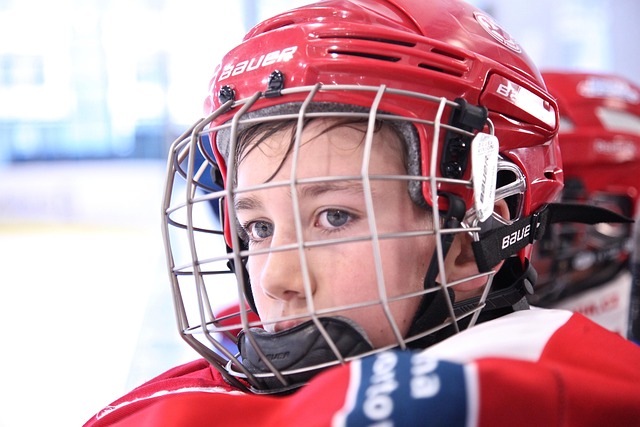
Understanding how rest affects hockey betting means looking beyond the simple idea that a rested team is always the better pick. Recovery time can influence energy, defensive concentration, line rotation, and goaltending decisions, but its value depends on the schedule, travel, opponent, and price offered by the sportsbook.
The useful question is not just how many days a team has had off. It is whether that rest creates a meaningful performance edge that the betting market has failed to price correctly.
Why rest matters in hockey
Hockey places unusual demands on players. Short shifts are played at high intensity, and a team may need four lines and multiple defensive pairings to maintain its structure. Fatigue can reduce backchecking effort, slow defensive reactions, and make it harder to win battles along the boards.
These effects are often most visible late in games. A tired team may start well but lose coverage in the second half, take more penalties, or struggle to generate pressure after falling behind. That makes rest relevant to moneyline betting, puck line betting, and some live betting situations.
Back-to-back games are the clearest fatigue spot. A team playing on consecutive nights has less time for recovery, treatment, practice, and travel. The second game can be especially difficult when the first contest went to overtime or involved heavy physical play.
Still, schedule fatigue is not identical for every team. A deep roster may handle a condensed schedule better than a team relying heavily on a few top players. Coaching style also matters: teams that roll four lines consistently may preserve energy more effectively than clubs that overuse their leading forwards and defensemen.
How to evaluate rest before placing a hockey bet
Start with the number of rest days, but do not stop there. A practical hockey rest analysis should include several connected factors.
- Back-to-back status: Check whether either side played the previous day and whether the earlier game required overtime.
- Travel distance: A day off after a long flight may be less valuable than it appears, particularly when the team changed time zones.
- Schedule density: Review the previous five to seven days rather than looking only at the last game.
- Home and road context: Rest is easier to use at home, where players avoid another flight and follow familiar routines.
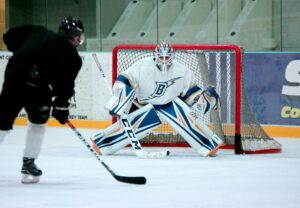
- Starting goalie: Confirm who is expected to start. Goaltender rest can matter as much as skater rest, especially for teams with a clear gap between their first and second options.
- Recent workload: Look at minutes played by the top defensemen and leading forwards. A rested roster is less meaningful if its key players have been carrying excessive ice time.
For example, two days of rest may give a home team a small physical advantage over an opponent arriving from another time zone after a demanding road game. That edge becomes more credible if the visitor is using its backup goalie and has played several games in a short period. Rest alone, however, should not outweigh a major difference in team quality or goaltending.
Does rest create value in NHL betting markets?
Sportsbooks and bettors know that rest affects hockey performance, so obvious schedule spots are often reflected in the opening line. A well-rested favorite may already be priced as if it has a significant advantage. Betting that team simply because it had a day off can produce a poor value bet.
The stronger approach is to compare the expected rest edge with the odds. If the market moves sharply toward a rested team, ask whether the move is supported by more than the schedule. Injuries, lineup changes, goalie confirmation, and travel may explain part of the adjustment.
Rest can be more useful in specific markets than in a basic moneyline. A tired team may still win, but it could be less likely to control the puck or cover a demanding puck line. Totals require more care: fatigue can lead to defensive mistakes and more goals, yet a tired team may also generate fewer quality chances. The starting goalies and each team’s pace are usually more important than rest by itself.
Common mistakes in hockey rest betting
The most common error is treating “rested versus tired” as a complete handicapping method. A team with extra rest may be coming off a poor performance, dealing with injuries, or facing an opponent with a strong matchup advantage.
Another mistake is assuming that more rest always helps. A long layoff can reduce game sharpness, interrupt line combinations, or leave a team waiting while its opponent has maintained rhythm. This does not make extended rest negative in every case, but it shows why the schedule must be interpreted alongside recent performance and lineup news.
It is also risky to rely on a generic record in back-to-back games without checking the underlying sample. Older results may involve different coaches, goalies, or rosters. Current usage, travel patterns, and player availability are more relevant than a headline trend.
A sensible rest-based betting process
Use rest as an adjustment rather than as the foundation of the prediction. First estimate the teams using core factors such as five-on-five play, special teams, goaltending, injuries, and home-ice conditions. Then apply a measured adjustment for schedule fatigue.
Before betting, verify the starting goalies and final lineups, compare the current odds with the opening price, and check whether travel has been included in the market’s reaction. If the rest advantage is already fully reflected in the price, passing may be better than forcing a wager.
No rest pattern guarantees a result. Hockey has substantial variance, and a rested team can lose because of goaltending, finishing, penalties, or a poor matchup. Treat schedule information as one part of a broader analysis, and set limits so that a single perceived fatigue edge does not lead to an oversized bet.