What Is a Shootout in Ice Hockey? Rules, Format and Scoring
An ice hockey shootout decides a tied game through a series of one-on-one attempts between shooters and goaltenders. Learn how the format works, when it is used and how shootout goals are recorded.
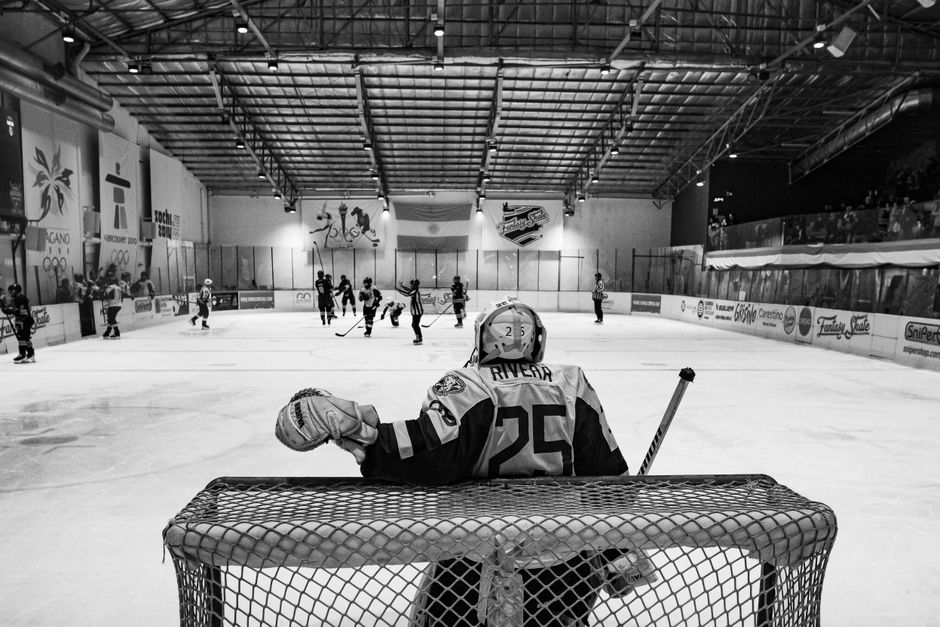
A shootout in ice hockey is a tiebreaker used to decide a game that remains level after regulation time and any required overtime. Players take individual breakaway attempts against the opposing goaltender, and the team with more successful attempts wins.
The format is designed to produce a result without continuing five-on-five play indefinitely. It tests a different set of skills from normal hockey: puck control at speed, deception, patience, shooting accuracy and goaltending technique.
How an ice hockey shootout works
Before the shootout begins, each team submits a group of eligible shooters. The teams usually alternate attempts, with one skater starting with the puck at center ice and moving in alone against the opposing goalie. The attempt ends when the player scores, the goalie makes a save, the puck misses the net or the shooter loses a legal scoring opportunity.
Most competitions begin with three attempts per team, although the precise number depends on the league or tournament rules. The team that scores more goals after the opening round wins. If the score is still tied, the shootout continues in sudden-death rounds: each team gets one attempt, and the first team to lead after both attempts have been completed wins.
A shootout is not the same as a normal breakaway during play. The puck must move forward toward the goal, and the shooter generally cannot stop completely or reverse direction during the attempt. Specific restrictions on dekes, rebounds and puck movement can vary between competitions, so the rulebook for the relevant league takes priority.
When is a shootout used?
A shootout is normally used after a tied game has gone through the overtime period required by that competition. In many regular-season leagues, overtime is played with fewer skaters to create more open space before the shootout. If neither team scores during overtime, the game proceeds to the tiebreaker.
Playoff hockey often uses a different system. Many postseason competitions continue with repeated sudden-death overtime periods rather than using a shootout. This preserves normal team play and allows the game to be decided by a goal during live action. That means the answer to “does hockey always have a shootout?” is no: the format depends on the league, stage of the season and tournament regulations.
How shootout scoring is recorded
A shootout winner counts as one team victory, but the individual shootout attempts are treated differently from goals scored during regular play. The winning goal is usually recorded as a shootout-deciding goal rather than as a standard goal for the shooter’s normal scoring totals. The goaltender receives credit for the result according to the competition’s statistics rules, while the attempts are generally tracked separately.
This distinction matters when reading hockey statistics. A team may win a game after a shootout without adding a conventional goal to its goals-for total in the same way it would after a power-play or even-strength goal. League and tournament stat systems can present the result differently, but the purpose is consistent: separate the tiebreaker from ordinary game action.
Which players take the attempts?
Coaches usually choose shooters who can protect the puck, change speed and make the goalie move before releasing a shot. A player does not need to be the team’s leading scorer. Some skilled shooters are effective because they stay composed and force the goaltender to commit first.
Goaltenders study common moves before the attempts begin. They may challenge the shooter, hold their position, or wait for a deke instead of reacting to the first shoulder or stick movement. The contest is often decided by timing rather than by the hardest shot.
Why shootouts are controversial
The attraction of a shootout is its clarity: spectators immediately understand the one-on-one contest, and a tied game receives a winner within minutes. It also limits the physical demands of extended overtime, which can matter during a long regular season or a tournament schedule.
The criticism is that a shootout does not resemble most of ice hockey. Normal play depends on passing, forechecking, defensive coverage, line changes and coordinated goaltending. A shootout reduces the decision to a small number of individual attempts, so some teams and fans prefer sudden-death overtime as a fairer reflection of five-on-five or special-teams play.
Common questions about hockey shootouts
Does every tied ice hockey game go to a shootout?
No. A competition may use overtime and then a shootout in regular-season games, while playoff games may continue through repeated sudden-death overtime periods. Always check the rules for the specific league or tournament.
How many players shoot in a hockey shootout?
The opening round commonly uses three shooters per team, but some competitions use a different number. If the score remains tied, additional players shoot in sudden-death rounds.
Can the same player shoot twice?
Usually, a team must use all eligible skaters before repeating a shooter, although the exact procedure varies by rulebook. In a long sudden-death shootout, players may eventually be used again.
Does a shootout goal count as a normal goal?
No. The attempt decides the game, but it is normally recorded separately from goals scored during regulation or overtime. The statistical treatment can differ slightly between leagues.