What Is a Misconduct Penalty in Ice Hockey?
A misconduct penalty usually removes a player from the ice for 10 minutes without leaving their team shorthanded. Learn how it works, why it is given, and how it differs from a game misconduct.
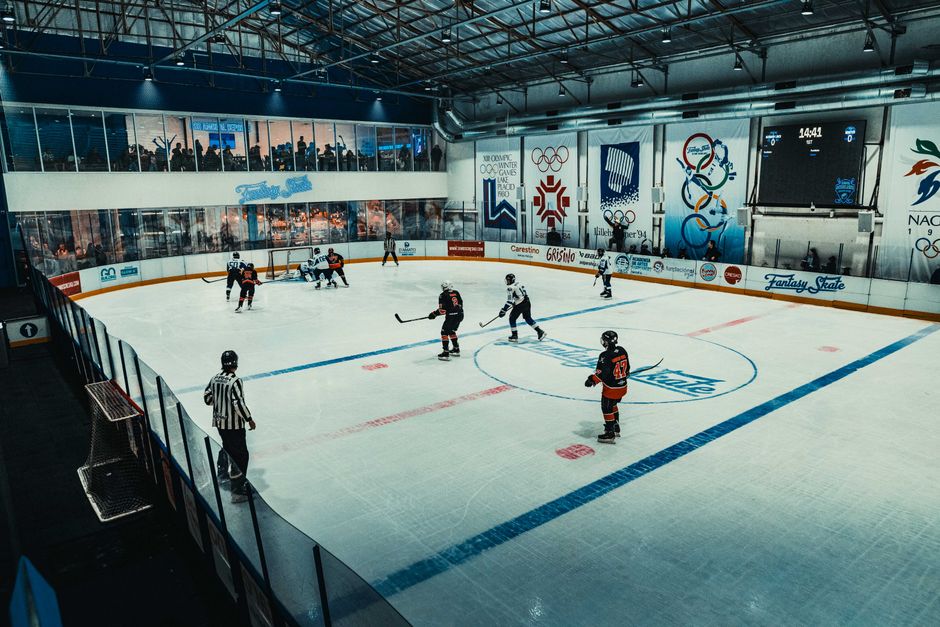
A misconduct penalty in ice hockey is a disciplinary penalty that removes a player from the game temporarily, usually for 10 minutes. Unlike a minor penalty, a standard misconduct normally does not make the player’s team play shorthanded because another player may replace them on the ice.
The exact procedure can vary between leagues, including the NHL, IIHF competitions, and national rulebooks. The central idea is the same: the player must leave the ice and serve time in the penalty box because of conduct the officials consider serious or disruptive.
How a 10-minute misconduct works
When an official calls a misconduct penalty, the player goes to the penalty box for the specified period. In the common 10-minute version, the team can usually send a replacement onto the ice immediately, so it does not have to kill a penalty with fewer skaters.
The penalized player cannot participate while serving the misconduct. Depending on the competition’s rules, the player may have to wait until the next stoppage after the penalty expires before returning. That prevents a player from re-entering during a live play simply because the time has run out.
A misconduct can be assessed to a skater for actions such as continued arguing with an official, abusive language, provoking an opponent, or other unsportsmanlike conduct. Officials consider the circumstances, the player’s behavior, and the relevant rulebook when deciding whether a misconduct is appropriate.
Misconduct penalty vs other hockey penalties
Minor penalty
A minor penalty commonly lasts two minutes and usually causes the offending team to play shorthanded. A misconduct penalty usually lasts 10 minutes but does not, by itself, create a power play for the other team.
Major penalty and misconduct
A serious physical infraction may result in both a major penalty and a misconduct. The major penalty creates the shorthanded situation, while the misconduct adds a separate period during which the player remains out of the game. The player’s team may need another player to serve part of the penalty under the applicable rules.
Game misconduct
A game misconduct is more severe than a regular misconduct. It removes the player from the remainder of the game. A replacement can generally enter the game, so the team is not automatically shorthanded solely because of the ejection, although any accompanying minor or major penalty can still affect the team.
Match penalty
A match penalty is an ejection for a particularly serious offense and can carry additional consequences, such as suspension review. It should not be confused with a standard 10-minute misconduct or a game misconduct.
Why officials call a misconduct penalty
A misconduct penalty is mainly used to control behavior rather than to punish an ordinary positioning or playing error. Common situations include:
- insulting or persistently challenging an official;
- using abusive or obscene language;
- trying to provoke an opponent after the whistle;
- continuing unsportsmanlike behavior after receiving a warning;
- becoming involved in an altercation without receiving a more serious penalty;
- deliberately delaying the game or interfering with its administration.
The same action may receive a different penalty depending on its severity. A brief verbal complaint might not lead to a penalty, while repeated abuse can become a misconduct. Physical contact, threats, or dangerous actions may instead lead to a major penalty, game misconduct, or match penalty.
What happens to the team during the penalty?
For a standard misconduct penalty, the team usually keeps its full number of eligible skaters. This is why a misconduct is different from a two-minute minor: the opposing team does not automatically receive a power play.
There are important exceptions. If the misconduct is attached to a minor or major penalty, the minor or major part may still leave the team shorthanded. In addition, league rules can specify who serves the penalty and whether a replacement is allowed immediately. The scorekeeper, referee, and team officials apply the rulebook used for that competition.
Frequently asked questions
Is a misconduct penalty always 10 minutes?
No. A regular misconduct is commonly 10 minutes, but the duration and procedure depend on the league’s rules. A game misconduct lasts for the rest of the game rather than a fixed 10-minute period.
Does a misconduct give the other team a power play?
Not by itself in the usual form. The offending team can generally replace the player, so play continues at full strength. A power play can result if the same incident also includes a minor or major penalty.
Can a player return after serving a misconduct?
Usually, yes, if it is a regular misconduct and the player has not received a game misconduct or match penalty. The player must complete the required time and follow the competition’s return-to-play procedure.
Can a goalkeeper receive a misconduct penalty?
Yes, but goalkeeper penalties are handled differently because the goalkeeper cannot simply be sent to the penalty box while leaving the net empty. The applicable rules determine which player serves the time and how the replacement is arranged.
Does a misconduct penalty lead to a suspension?
A regular misconduct does not automatically mean a suspension. However, repeated incidents, abusive conduct, physical actions, or a more serious penalty connected to the play may be reviewed by the league and could result in additional discipline.