What Does Empty Net Mean in Ice Hockey?
An empty net in ice hockey means a team has removed its goaltender, usually for an extra attacking player. Learn why teams do it, what happens if they score, and how empty-net goals are recorded.
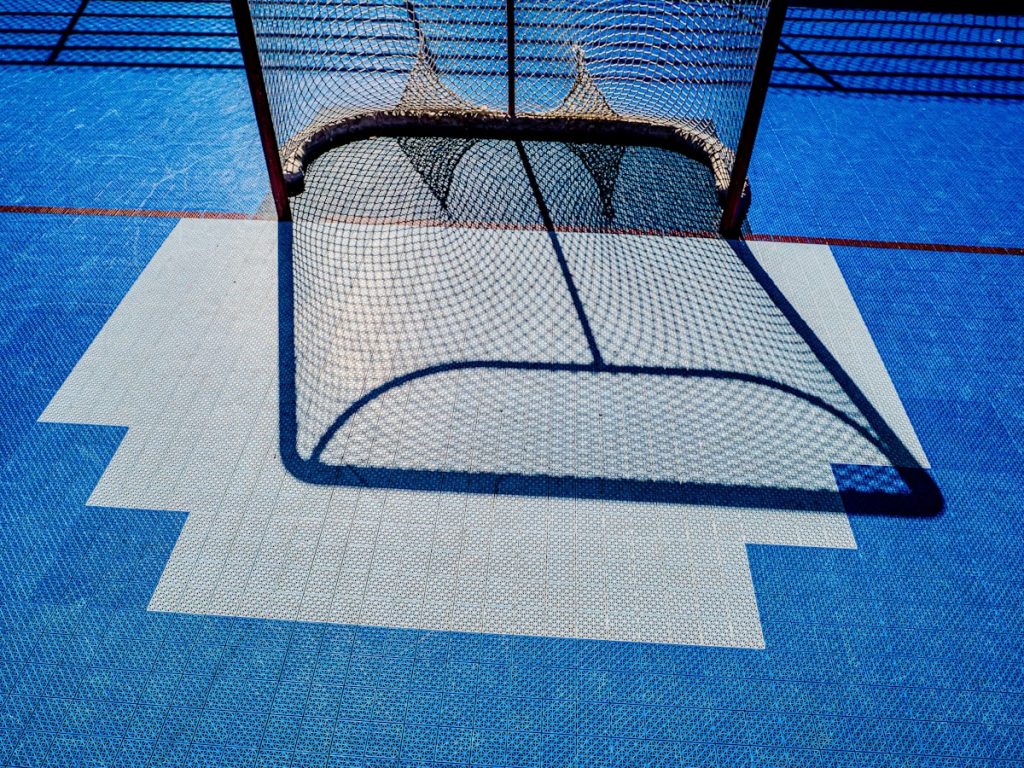
In ice hockey, an empty net means a team is playing without its goaltender in the crease. The coach has replaced the goalie with an extra skater, creating a temporary numerical advantage in attack. This is most common near the end of a game when a team is trailing and needs a goal to tie the score.
Why does a hockey team pull its goalie?
A team normally has six players on the ice: one goaltender and five skaters. By pulling the goalie, it can use six attacking skaters instead. The extra player gives the trailing team more passing options and more bodies around the opponent’s net.
The trade-off is severe. With no goalie protecting its own goal, a missed pass, blocked shot, or lost puck can allow the other team to shoot into an unattended net. Coaches usually accept that risk only when the potential benefit of scoring is greater than the danger of conceding another goal.
Goalies are most often pulled in the final minutes, particularly when the team is behind by one goal. A coach may also remove the goalie earlier if the deficit is larger, although that makes an empty-net goal more likely. The decision can depend on possession, faceoff location, time remaining, and whether the team has an attacking-zone opportunity.
What happens during an empty-net situation?
Once the goaltender reaches the bench, the replacement skater enters legally during a line change. The team then has an extra skater but no player who can use the normal goalie’s privileges. The opponent can try to clear the puck out, defend its lead, or shoot toward the open goal from distance.
An empty net does not necessarily mean the game is almost over. A goalie can return to the ice if the team regains control, and a coach may pull the goalie again after another stoppage. The situation can therefore change several times during the final minutes.
The phrase can also appear during a delayed penalty. In that situation, the team expecting to receive a power play may pull its goalie for an extra attacker because play continues until the penalized team touches the puck. This is different from the usual late-game decision to chase an equalizer, even though both situations temporarily leave the goal unguarded.
What is an empty-net goal?
An empty-net goal is scored when a team shoots the puck into the opponent’s unattended goal. It may come from close range, but many empty-net goals are long-range shots made after a defensive clearance or a turnover.
Empty-net goals count on the scoreboard just like other goals. They are included in the scorer’s goal total and can affect the final score, goal difference, team statistics, and betting or fantasy results. The goal is not treated as worth more because the goaltender was off the ice.
Commentators often say a team “sealed the game with an empty-netter.” That usually means the goal extended a narrow lead late in the third period and made a comeback highly unlikely. An empty-net goal can also be the winning goal if it gives the scoring team a lead that is never lost.
Does an empty net always mean the goalie was pulled late?
No. A goalie may leave the crease during a delayed penalty, after an injury, or as part of a tactical decision. In ordinary conversation, however, “playing with an empty net” usually refers to a team replacing its goaltender with an extra skater while trying to score.
The phrase also does not mean that the defending team has fewer than six players because of a penalty. A team can have an empty net while its opponent has a full lineup, or it can combine the extra attacker with a power play. The exact player numbers depend on penalties and the game situation.
Common questions about empty nets in hockey
How many players are on the ice with an empty net?
In a standard situation, the team has six skaters instead of five skaters and a goalie. If penalties are being served, the number can be different.
Can a team pull its goalie when it is tied?
It is possible, but extremely unusual in regulation because conceding an empty-net goal would put the team behind. A team may remove its goalie in overtime under special tactical circumstances, but the risk remains high.
Can an empty-net shot be icing?
Yes, depending on the position of the players and the rules being applied. In many situations, a shot that enters the opponent’s empty goal is recorded as a goal rather than icing. Officials judge the play under the applicable icing and scoring rules.
Why do players sometimes miss an empty net?
The target is smaller than it looks because the shooter may be far away, under pressure, or trying to avoid icing. A defender can also block the attempt, and an angled shot can miss the goal completely.