Hockey Cage vs Visor: Which Face Protection Should You Choose?
A clear comparison of hockey cages, full-face shields and visors, including protection, visibility, comfort, maintenance and league rules.
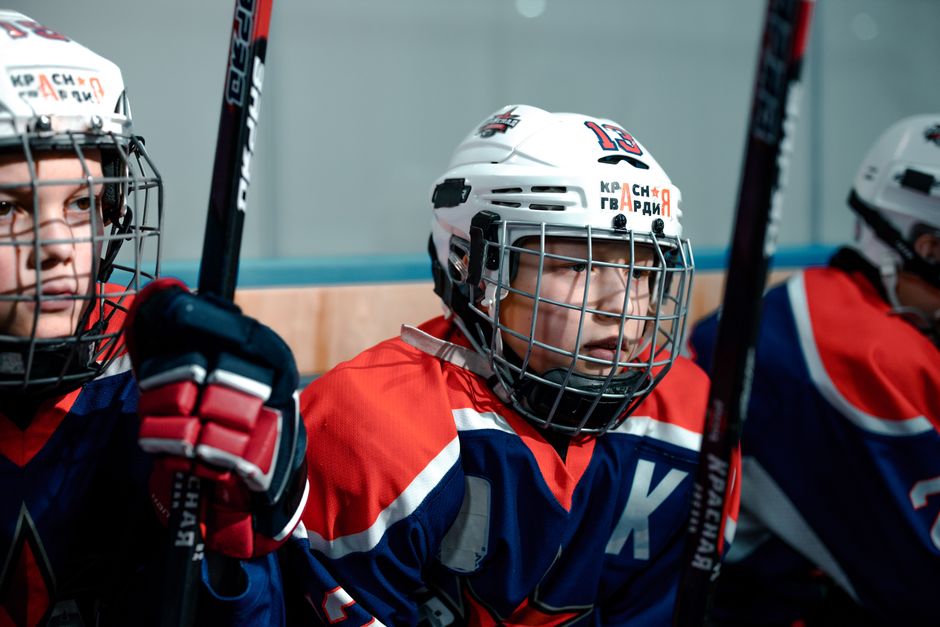
The difference between a hockey cage and a visor becomes most obvious in the moments players remember: a stick rising in traffic, a deflected puck, or a stray skate near the face. Both options protect the eyes, but they do not protect the rest of the face in the same way.
For most players, the choice comes down to the balance between facial coverage, visibility, comfort and the rules of the league or rink. A cage offers the broadest protection. A visor provides a more open feel, but leaves the lower face exposed.
Hockey cage vs visor: the basic difference
A hockey cage is a metal wire face mask attached to the helmet. It covers the eyes, nose, mouth and jaw with a grid of bars. Some models use a combination of a wire cage and a clear lower shield, often called a hybrid shield.
A visor, also known as a half shield or half visor, is a clear plastic shield that extends down from the helmet over the eyes and upper nose. It helps defend against pucks, sticks and ice spray, but it does not fully cover the mouth, chin or jaw.
That distinction is the central answer to the question of hockey cage or visor. A cage is designed for full-face protection. A visor is primarily eye and upper-face protection.
Protection: the cage has the clear advantage
If protection is the deciding factor, a full cage is the stronger choice. The bars create a barrier around the entire face, reducing the chance of direct contact from a puck, stick blade or accidental collision. The cage also offers meaningful protection for the teeth, lips, nose and jaw.
A visor protects the eyes and much of the upper face, but the lower half remains vulnerable. A puck can still strike the mouth or chin, and a stick can reach below the bottom edge of the shield. A visor should not be treated as equivalent to a full-face cage.
Players returning from a facial injury, those in youth hockey, and anyone who values maximum coverage may prefer a cage or full-face shield. The correct equipment may also be determined by age-based regulations, league policy or rink requirements.
Visibility and the feel of the equipment
Many players choose a visor because it gives the helmet a more open feel. There are no bars crossing the field of vision, which can make it easier to track the puck in peripheral vision. A clean visor also offers a natural, unobstructed view directly ahead.
A cage can take a short adjustment period. The bars are visible, particularly when the player looks down or scans across the ice. In practice, most players adapt quickly, but the fit matters. A cage that sits too close to the face can feel restrictive, while one positioned correctly should leave enough room around the nose and mouth.
Visor clarity can also deteriorate during a game. Scratches, fogging, moisture and helmet fit all affect what a player sees. A cage does not scratch in the same way and generally allows better airflow, although the bars can collect snow or spray.
Comfort, breathing and maintenance
A well-fitted visor is often lighter and less noticeable than a full cage. It may feel less enclosed, which some players appreciate during long shifts or recreational games. The trade-off is that a visor can fog, especially when ventilation is limited or the player is breathing heavily.
Cages usually provide excellent airflow. They can also be wiped clean without the same concern about optical scratches. Their main drawbacks are weight, possible vibration after contact and the need to check that the attachment points remain secure.
Whichever option you use, inspect it regularly. Replace a visor with deep scratches, cracks, clouding or damaged mounting hardware. A bent cage, loose clip or missing fastener should also be repaired or replaced before the next game.
Do hockey leagues allow a cage or visor?
Equipment rules vary widely. Youth leagues commonly require a full cage, full-face shield or approved combination that covers the face. Adult recreational leagues may allow a visor, but some require full facial protection. Competitive leagues can also apply different rules based on age, position, jurisdiction or tournament regulations.
Check the rulebook for the specific league rather than relying on what professional players wear. Professional hockey is not a useful equipment standard for every player: its rules, enforcement and player experience may differ substantially from youth, amateur or recreational hockey.
Some organizations also require players to wear a mouthguard, and certain locations may specify approved certification markings. Confirm the requirements before buying a new hockey helmet face shield or cage.
Which option suits different players?
A cage is usually the better choice for:
- young or developing players subject to full-face protection rules;
- players who want protection for the mouth, chin and jaw;
- players who are concerned about facial injuries;
- recreational players who value protection over a minimal helmet setup; and
- players who frequently face traffic around the net or in front of the goal.
A visor may suit:
- adult players whose league permits half shields;
- players who prioritize an open field of vision and lighter feel;
- experienced players who understand that the lower face remains exposed; and
- players prepared to keep the shield clean, clear and properly mounted.
For players who want more coverage without a traditional wire cage, a full shield or hybrid hockey face protection can be a useful middle option. These products still need to meet the relevant safety standard and league rules.
FAQ: hockey cage and visor choices
Is a hockey cage safer than a visor?
A full cage generally provides more facial coverage than a visor because it protects the eyes, nose, mouth, chin and jaw. A visor mainly protects the eyes and upper face. Neither option removes every risk, and correct fit remains essential.
Can you wear a visor instead of a cage?
Only if the rules of your league, age group and rink allow it. A visor is not an automatic substitute for a cage, particularly in youth hockey or competitions that require full-face protection.
Is a cage or visor better for visibility?
A clean visor gives an unobstructed view, but it can fog or scratch. A cage has visible bars, yet it provides reliable airflow and does not develop plastic scratches in the same way. Personal preference and correct fitting both influence the result.
What is a hybrid hockey shield?
A hybrid shield combines a clear upper visor with a protective lower cage or molded face section. It aims to provide more facial coverage than a half visor while offering a different feel from a traditional wire cage.
For a straightforward decision, choose the cage when full-face protection is the priority. Choose a visor only when it is permitted and you accept the exposed lower face in exchange for a lighter, more open setup.