How to Gain Weight for Hockey Without Losing Speed
Learn how hockey players can add useful body mass through a calorie surplus, strength training, recovery, and practical meal planning without sacrificing skating speed or conditioning.
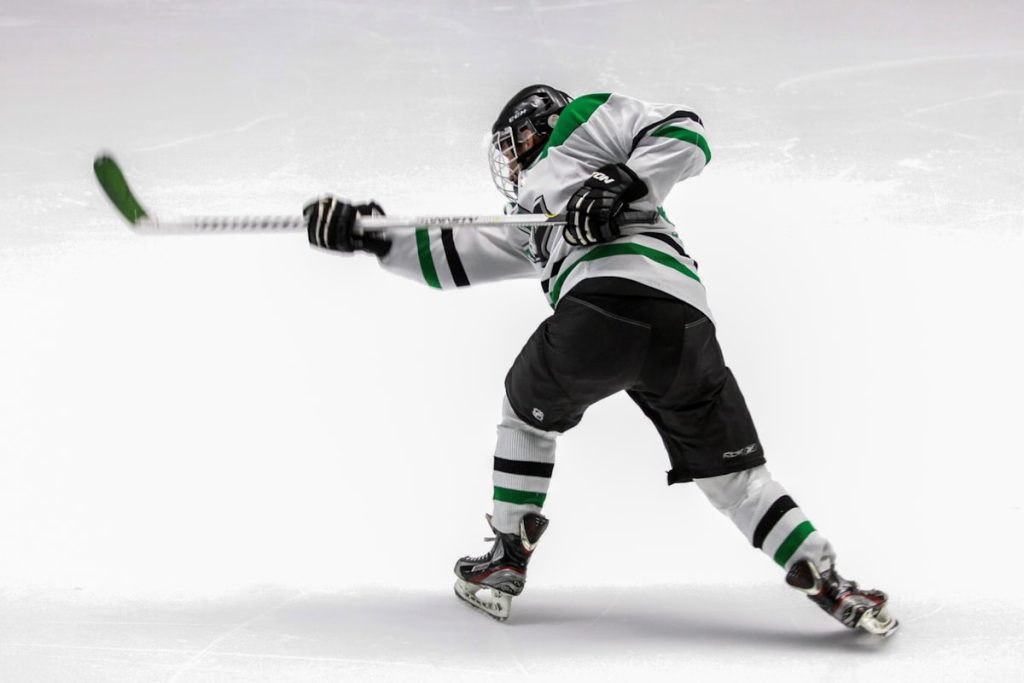
To gain weight for hockey, aim to add muscle and performance-supporting mass rather than simply eating as much as possible. A steady calorie surplus, enough protein, progressive strength training, and adequate recovery can help you become stronger without making you feel heavy on the ice.
How much weight should a hockey player gain?
A useful target for many athletes is about 0.25 to 0.5 percent of body weight per week. For a 70-kilogram player, that is roughly 0.2 to 0.35 kilograms weekly. Slower progress is often easier to control and is less likely to add unnecessary fat or affect skating mechanics.
Your position, age, current body composition, training load, and playing level all matter. A defenseman may have different physical demands from a forward, while a growing teenage player should not follow an aggressive bulk without guidance. A sports dietitian, doctor, or qualified strength coach can help set a suitable target, particularly if you are under 18, have a history of disordered eating, or are losing weight unintentionally.
How to create a hockey weight-gain meal plan
Start with your normal intake and add approximately 250 to 400 calories per day. Track your body weight under similar conditions two or three times per week, then review the average after two weeks. If your average is not rising, add another small portion of food. If weight increases rapidly and skating or conditioning feels worse, reduce the surplus slightly.
Build meals around foods that provide both energy and nutrients:
- Protein: eggs, milk, yogurt, fish, poultry, lean meat, beans, lentils, tofu, and cheese.
- Carbohydrates: oats, rice, potatoes, pasta, bread, fruit, and starchy vegetables. These support repeated skating efforts and hockey practice.
- Fats: nuts, seeds, peanut butter, avocado, olive oil, and full-fat dairy. They add calories without making meals excessively large.
- Fluids: water and, during long or intense sessions, a drink containing carbohydrate and electrolytes.
Many players find five or six smaller eating occasions easier than three very large meals. A breakfast of oats with milk, fruit, and nut butter; a rice-and-chicken lunch; and a yogurt, granola, and fruit snack can provide more energy without causing excessive fullness.
Protein and carbohydrates for gaining hockey muscle
Spread protein across the day instead of saving it for dinner. A practical range for athletes is about 1.6 to 2.2 grams of protein per kilogram of body weight per day, although individual needs vary. Include a protein source at each meal and snack.
Carbohydrates are especially useful before and after hockey training. Eat a familiar carbohydrate-rich meal two to four hours before practice, then use a snack such as fruit, cereal, a sandwich, or yogurt closer to the session if needed. After training, combine carbohydrates with protein to support recovery and replenish energy stores.
You do not need a mass gainer to gain weight for hockey. A homemade shake can be a convenient option when appetite or time is limited: blend milk or a fortified alternative with oats, banana, yogurt, and peanut butter. Check ingredient labels on commercial products and avoid supplements that promise rapid muscle gain or contain undisclosed blends.
Strength training that supports hockey performance
Extra food alone will not direct weight gain toward muscle. Follow a structured resistance program two or three times per week, with exercises that train the legs, hips, upper body, and trunk. Squats or split squats, deadlift variations, lunges, rows, presses, pull-ups, and carries can all have a place in a well-designed program.
Use good technique and increase the training challenge gradually through more resistance, repetitions, or controlled volume. Keep sprinting, skating, mobility work, and hockey practice in the plan so that added mass remains useful for acceleration, balance, contact, and puck protection. If your legs feel constantly fatigued, reduce unnecessary gym volume rather than adding more food and training at the same time.
How to gain weight without becoming slower
Monitor more than the scale. Record gym performance, sprint or skating times, energy during practice, sleep, appetite, and how your equipment feels. A small increase in body mass accompanied by improved strength and stable movement is usually more useful than rapid weight gain that reduces agility.
Keep conditioning specific to your sport. Hockey involves repeated high-intensity efforts with short recovery periods, so maintain skating intervals and practice demands while managing total workload. Sleep also affects muscle growth and recovery; most adult athletes should aim for at least seven to nine hours, while teenagers often need more.
Common mistakes in a hockey bulk
- Adding too many calories at once: Large surpluses can increase fat gain, digestive discomfort, and sluggishness.
- Relying on junk food: High-calorie foods can help, but a diet built mainly on them may leave you short on protein, fiber, vitamins, and minerals.
- Ignoring carbohydrates: Cutting carbs while increasing body weight can leave you flat during practices and games.
- Training without recovery: More lifting is not always better when hockey already creates a heavy workload.
- Chasing a target body weight: A number that suits one player may harm another player’s speed, health, or position-specific performance.
Frequently asked questions about hockey weight gain
Should hockey players gain weight during the season?
They can, but the rate should usually be conservative. During a demanding schedule, maintaining performance and recovery may be more important than pursuing fast muscle gain. A larger surplus may be easier to manage during an off-season training block.
What should I eat after hockey practice to gain weight?
Choose carbohydrates plus protein, then eat a full meal when possible. Examples include a turkey sandwich with fruit, rice with eggs and vegetables, or yogurt with oats and a banana. Add calorie-dense ingredients if your weight is not increasing.
Can a skinny hockey player gain muscle without supplements?
Yes. Regular meals, sufficient calories, protein-rich foods, progressive resistance training, and sleep are the foundation. Supplements may be convenient, but they are not required for muscle gain.
When should a hockey player get professional advice?
Seek medical or nutrition support for unexplained weight loss, persistent fatigue, digestive symptoms, missed periods, frequent injuries, anxiety around food, or difficulty gaining weight despite eating more. Young athletes should involve a parent or guardian and a qualified professional rather than copying an adult bodybuilding plan.