What Is Shutout Betting in Hockey? Markets, Odds and Settlement
Learn what shutout betting means in hockey, how goalie and team shutout markets differ, how wagers are settled, and which factors can affect the risk.
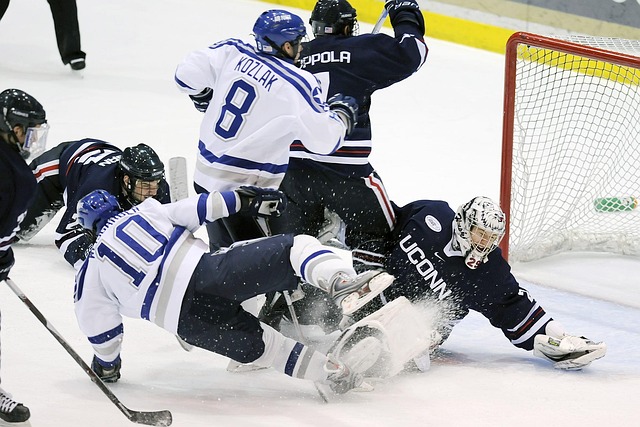
Shutout betting in hockey refers to wagering on whether a team or goaltender will prevent the opposition from scoring. The bet may appear as a goalie shutout prop, a team-to-win-by-shutout market, or part of an exact-score selection. These markets are related, but they do not always have the same rules.
The first detail to check is the sportsbook’s settlement wording. A bet on a goaltender to record a shutout can depend on whether that player starts and remains in the game, while a team shutout bet may be settled solely on the final score. Overtime, shootouts, postponed games, and player substitutions can also matter.
How shutout betting works in hockey
A shutout occurs when one team finishes the game without scoring. If the final score is 3–0, the winning team has recorded a shutout. If the game ends 1–0 after overtime, it may still count as a team shutout, but the sportsbook’s specific rules determine how the market is graded.
Common versions of hockey shutout betting include:
- Goalie to record a shutout: You select an individual goaltender to allow no goals during the qualifying game.
- Team to win to nil: You bet that a team will win while conceding zero goals.
- Either team to record a shutout: The wager wins if either side keeps a clean sheet.
- Exact score involving a shutout: You select a score such as 2–0 or 4–0.
- Shutout in a period: Some operators offer a market on one team allowing no goals during a particular period.
The phrase hockey clean sheet bet is sometimes used informally, although “shutout” is the standard hockey term. A team can win without a shutout, such as 4–2, so a normal match-winner bet is not the same as a shutout wager.
Goalie shutout props versus team shutout bets
A goalie shutout prop focuses on the named goaltender. The bet may be void if that player does not start, but policies vary if the goaltender starts and is later replaced. Some sportsbooks require the player to finish the game; others settle the bet based on the team’s result after the player has taken part.
A team shutout bet is usually simpler: the selected team must concede no goals under the market’s stated game conditions. It can still be affected by regulation-only rules, overtime treatment, or whether goals scored in a shootout count. Never assume that two markets with similar wording use identical settlement rules.
| Market | What must happen | Main rule to check |
|---|---|---|
| Goalie to record a shutout | The named goalie qualifies and the opposition scores zero | Starting, substitution, and minimum-appearance rules |
| Team to win to nil | The selected team wins and concedes no goals | Regulation, overtime, and shootout treatment |
| Either team shutout | At least one team prevents all opposition goals | Whether overtime and shootouts are included |
| Exact shutout score | The final score matches the chosen score | Exact scoring and game-duration rules |
What affects the chance of a hockey shutout?
Shutouts are difficult to predict because they require both strong defending and an opponent that fails to score for the entire game. A team can dominate possession and still concede on a deflection, rebound, penalty kill, or late empty-net situation.
The most useful factors to examine include:
- Confirmed starting goalie: A backup may change the team’s defensive outlook, but reputation alone is not enough. Recent workload and current form also matter.
- Opponent attack: Shot volume, power-play efficiency, finishing talent, and injuries among top forwards can influence scoring potential.
- Defensive structure: Limiting dangerous chances matters more than simply allowing few total shots.
- Penalty profile: Frequent penalties give the opponent more power-play opportunities and make a shutout less likely.
- Schedule and fatigue: Travel, back-to-back games, and a tired penalty kill can create late scoring risk.
- Empty-net risk: A one-goal lead can become a two-goal result when the losing team removes its goalie, which helps a win-to-nil bet but does not guarantee it.
Historical shutout rates can provide context, but they should not be treated as a prediction by themselves. League scoring levels, rule changes, team personnel, and goaltender usage all change over time. Recent matchup information is useful only when it explains a real tactical or personnel difference.
How shutout betting odds should be read
Shutout markets usually carry higher odds than ordinary team-win markets because the selected team must satisfy an additional condition: conceding zero goals. For example, a team may be strongly favored to win but still have a relatively modest chance of keeping a clean sheet if its opponent creates regular scoring chances.
To convert decimal odds into implied probability, divide 1 by the decimal price. Odds of 4.00 imply 25% before accounting for the sportsbook’s margin. This is not a prediction or a guarantee; it is only the probability represented by the price, including the operator’s built-in overround.
Comparing a shutout price with related markets can reveal how much the clean-sheet condition costs. A team-win market, total-goals line, both-teams-to-score market, and goalie shutout prop may all describe parts of the same scenario. Their prices are not always directly interchangeable because each market has separate rules and margins.
Settlement rules that can change the result
Read the rules before placing any hockey shutout wager. Common points of variation include:
- Regulation versus full game: Some markets include overtime, while others apply only to the first 60 minutes.
- Shootout goals: A shootout may decide the winner without counting as a conventional goal for every market.
- Postponements: A game that is abandoned or moved may be void unless the operator’s rules say that the market stands after a minimum number of periods.
- Goalie participation: Player props can require a start, a minimum appearance, or completion of the game.
- Overtime substitutions: A goalie who leaves before overtime may affect a player-specific prop differently from a team result.
For that reason, “will the team keep a clean sheet?” and “will this goalie record a shutout?” should be treated as separate questions. The final score may settle the first market while the player’s participation determines the second.
Frequently asked questions
Does a 1–0 overtime win count as a shutout?
It depends on the market. A full-game team shutout market may include the overtime result, while a regulation-only market may be graded after 60 minutes. Check the sportsbook’s settlement terms.
Does a shootout goal end a hockey shutout?
Not necessarily for betting purposes. Shootout attempts may be treated separately from regulation and overtime goals. The operator’s rules determine whether the result counts for a team or goalie shutout market.
Is a shutout bet the same as betting on a team to win?
No. A team-win bet can succeed even if the opponent scores. A team-to-win-to-nil wager requires both a victory and zero goals conceded, so it is more specific and usually riskier.
What happens if the selected goalie does not start?
Many sportsbooks void a goalie shutout prop if the player does not start, but this is not universal. If the goalie starts and is replaced, the settlement may depend on the operator’s minimum-participation rule.
Are shutout bets suitable for every bettor?
No betting market is guaranteed, and shutout props are especially sensitive to a single scoring play. Anyone considering a wager should check the rules, understand the possible loss, and use only money they can afford to lose. Where gambling causes financial or personal harm, seek help from a local responsible-gambling service.