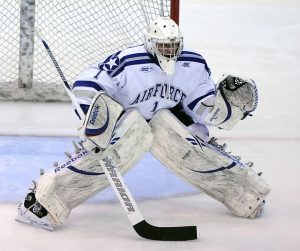
What Is Too Many Men in Ice Hockey?
Too many men is a hockey bench minor caused by having an extra player on the ice or making an illegal line change. Learn how the penalty works, when it is called, and why teams sometimes pull the goalie.
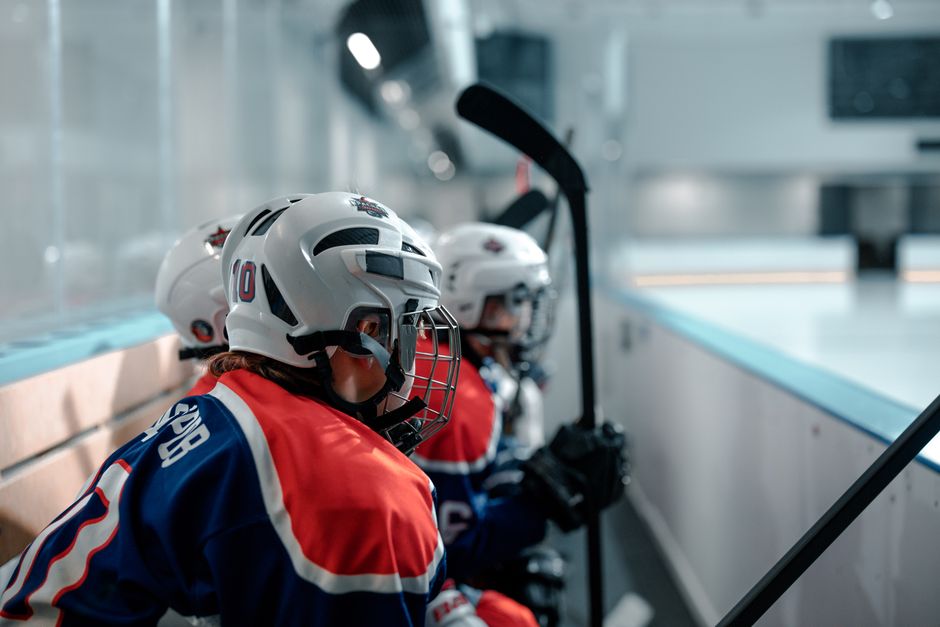
Too many men in ice hockey is a team penalty for having more players on the ice than the rules allow or for making an illegal line change. In standard play, a team may have up to six players on the ice: five skaters and one goaltender, although teams can replace the goalie with an extra skater.
How the too-many-men penalty happens
The most common situation occurs during a line change. The incoming player must wait for the outgoing player to leave the ice. If both players are participating in play at the same time, officials can call a bench minor for too many men.
A team can also be penalized if it has more than the permitted number of players on the ice during play. The violation is usually caused by a player entering too early, an outgoing player failing to reach the bench, or confusion during a fast change.
In many rulebooks, the outgoing player must be close enough to the bench before the replacement enters. For example, NHL rules use a designated distance from the players’ bench to determine whether a change is legal. The exact wording and enforcement can vary between leagues and governing bodies.
What is the penalty for too many men?
Too many men is normally a two-minute bench minor. The coach does not serve the penalty. Instead, a player who was on the ice when the infraction occurred, and who is not already serving another penalty, serves the time in the penalty box.
The opposing team receives a power play while the penalized team plays short-handed. If the team that committed the infraction does not have possession, an official may delay the whistle until the offending team gains control of the puck, depending on the applicable rules.
Because it is a bench penalty, the official does not usually identify one specific player as the offender. The team is responsible for the illegal substitution.
How many players can be on the ice in hockey?
During normal five-on-five play, each team has six positions on the ice:
- One goaltender
- Two defensemen
- Three forwards
A team may have fewer players because of penalties. It may also temporarily use six skaters by pulling its goalie, commonly when it is trailing late in a game. That is legal because the goaltender has left the ice; it does not create a seventh player.
The player limit can look different during a power play, penalty kill, overtime, or shootout. The relevant question is whether the team has more players on the ice than the situation permits, not simply whether six skaters are visible.
Too many men versus a legal line change
Players can change while the puck is in play, but the change must be controlled. The outgoing player should skate toward the bench, and the incoming player should not enter the play before the replacement is off the ice or within the permitted area near the bench.
A legal line change may involve brief proximity between the two players. The officials assess whether the departing player is out of the play and whether the replacement entered too early. A player who jumps over the boards while the previous player is still actively participating risks a too-many-men call.
Teams often change near the boards in their defensive zone because the bench is close and the players can communicate. Poor timing is especially dangerous after a turnover, when an extra player can immediately affect the play.
Why do teams get called for too many men?
The penalty is usually a timing error rather than an attempt to gain a lasting advantage. Common causes include:
- A replacement player leaves the bench before the outgoing player is clear.
- The outgoing player delays the change and remains involved in the play.
- A player comes onto the ice after the puck moves unexpectedly.
- Several players change at once and the bench loses track of who has left.
- A team pulls its goalie while another player is still entering or leaving.
Officials watch the players’ bench, the ice, and the developing play at the same time. The whistle may come immediately if the extra player affects the play, while a delayed penalty may be used when the offending team controls the puck.
Frequently asked questions about too many men in hockey
Is too many men a personal penalty?
No. It is a bench minor charged to the team. An eligible player serves the two-minute penalty in the box.
Can a team have six skaters on the ice?
Yes. A team may pull its goalie and use six skaters, provided the goaltender is off the ice and the substitution is legal. Six skaters plus a goaltender would normally be too many players.
Does the puck have to be touched for too many men to be called?
Not necessarily. The officials determine whether an illegal substitution has occurred under the rules being used. Possession can affect when a delayed call is stopped, but it does not make an illegal change legal.
Is the rule the same in every hockey league?
The basic principle is similar, but details such as the permitted distance from the bench, delayed-penalty procedures, and overtime player limits can differ. NHL, IIHF, college, junior, youth, and recreational leagues may use different rule language.