How to Train for Ice Hockey: A Practical Plan for Speed, Skills and Fitness
Learn how to train for ice hockey with a balanced plan covering skating, puck skills, strength, conditioning, recovery and game-specific practice.
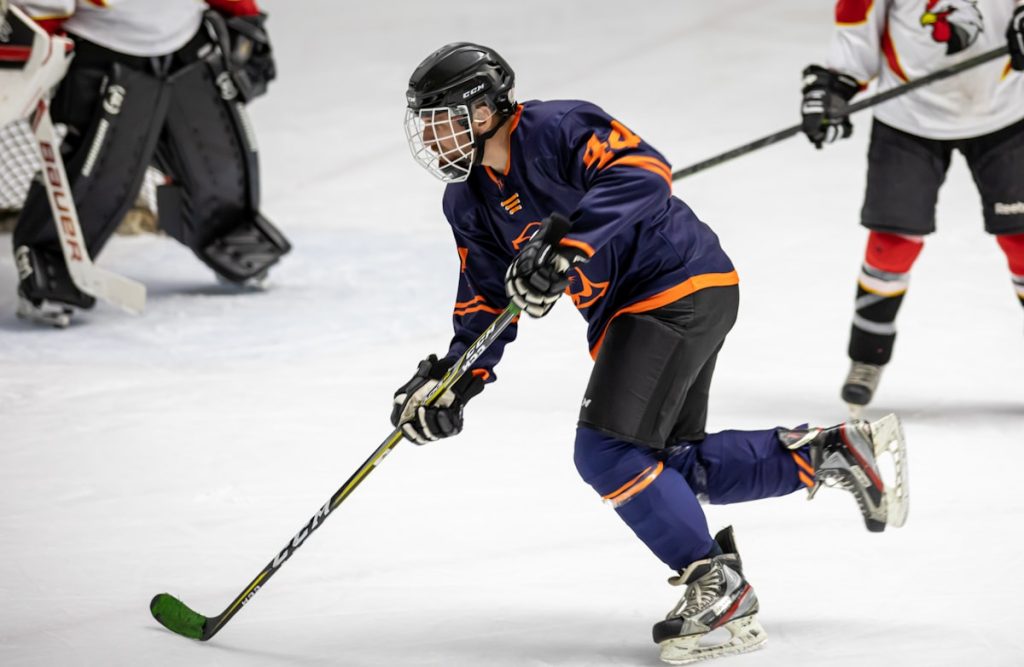
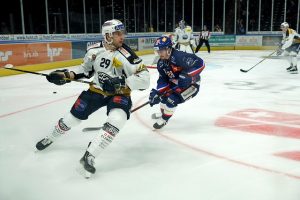
Learning how to train for ice hockey means preparing for repeated bursts of skating, fast changes of direction, contact, puck control and quick decisions. A useful program combines on-ice practice with strength, conditioning and recovery rather than treating hockey as only a cardio sport.
Build training around the demands of hockey
Ice hockey shifts are short, but players repeatedly accelerate, stop, turn, battle for position and recover on the bench. Your training should therefore develop several qualities at the same time:
- Skating ability: acceleration, edge control, stopping, backward skating and transitions.
- Puck skills: receiving passes, stickhandling under pressure, shooting and protecting the puck.
- Strength: leg drive, balance, core control and the ability to absorb or deliver contact safely.
- Repeated-sprint fitness: hard efforts followed by incomplete recovery, similar to the demands of a shift.
- Decision-making: scanning before receiving the puck and choosing quickly under pressure.
For a beginner, skating technique should receive more attention than adding extra conditioning. A strong athlete with poor edges and inefficient stopping will struggle to use that fitness in a game.
How to structure a weekly ice hockey training plan
A practical hockey workout schedule depends on your age, playing level, access to ice and match calendar. A recreational player might use two skating sessions, two strength sessions and one conditioning session each week. Leave at least one easier day for recovery.
| Day | Focus |
|---|---|
| Monday | Strength training with squats or split squats, hip work, pulling exercises and core stability |
| Tuesday | On-ice skating technique, starts, stops, edges and backward skating |
| Wednesday | Recovery, mobility or easy aerobic exercise |
| Thursday | On-ice puck skills, passing, shooting and small-area games |
| Friday | Short repeated-sprint conditioning session or a second strength workout |
| Weekend | Game, scrimmage or technical practice, followed by recovery |
If you already play two games each week, reduce additional high-intensity work. Games count as demanding speed and conditioning sessions, so adding hard sprint workouts on consecutive days can reduce performance and increase fatigue.
Improve skating before adding complicated drills
Skating is the foundation of ice hockey training. Spend regular practice time on a few skills rather than moving quickly through a long list of drills:
- Use short acceleration starts from different positions.
- Practice stopping on both sides and linking a stop directly to a first stride.
- Work on inside and outside edges through controlled turns.
- Skate backward while maintaining posture and awareness of space.
- Practice forward-to-backward and backward-to-forward transitions at moderate speed before increasing pace.
Keep your knees bent, chest controlled and weight centered over the skates. Film a few repetitions or ask a qualified coach for feedback. Technical corrections often improve speed more efficiently than simply skating harder.
Train hockey skills under pressure
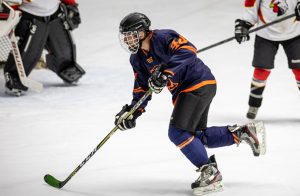
Stickhandling in a stationary position is useful for learning control, but games require movement, contact and limited time. Progress from stationary puck control to skating with the puck, then add a defender, a passing option or a decision to make.
Useful sessions can include receiving a pass while scanning over your shoulder, shooting immediately after a change of direction, and protecting the puck along the boards. Small-area games are especially valuable because they combine puck skills, support, positioning and rapid decisions in a confined space.
For shooting practice, work on accuracy first. Choose specific targets and vary the release point rather than taking a large number of uncontrolled shots. Defensemen should also practice retrieving pucks, making a first pass and moving laterally before shooting.
Strength training for hockey players
Strength training should support skating and contact without leaving your legs too tired for ice practice. Two full-body sessions per week are enough for many players.
Build sessions around a squat or split squat, a hip-dominant movement such as a deadlift variation, a push, a pull and anti-rotation core work. Single-leg exercises are useful because skating repeatedly produces force one side at a time. Add calf, groin and hamstring work gradually, especially if you have previously dealt with strains.
Use controlled technique and increase resistance slowly. Maximal lifting is not required for most hockey players, and heavy lower-body training immediately before a game or intense skating session can make movement less precise.
Conditioning: intervals versus steady cardio
Repeated-sprint training is the most hockey-specific conditioning option, but it should not be the only one. Begin with short hard efforts, such as 10 to 20 seconds, followed by enough recovery to maintain good speed. Stop the set when your technique and pace deteriorate significantly.
Easy cycling, rowing or jogging can improve general aerobic fitness while placing less stress on the joints. This type of work helps you recover between shifts and training sessions. Use it on a recovery day or during a lower-load phase instead of turning every workout into a maximal effort.
Players returning after a long break should establish basic aerobic fitness and skating tolerance before adding repeated all-out sprints. The fastest route back to form is not always the hardest first week.
Common training mistakes to avoid
- Training only off the ice: Running and lifting cannot replace edge work, stopping and puck decisions on skates.
- Doing hard sessions on consecutive days: Speed and strength quality decline when fatigue accumulates.
- Ignoring groin and hip strength: Sudden increases in skating volume can expose weak or poorly conditioned areas.
- Using conditioning as punishment: Excessive intervals can interfere with skill development and recovery.
- Practicing only comfortable skills: Include the weaker stopping direction, backward skating and less familiar shooting positions.
- Increasing volume too quickly: Add time, resistance or sprint repetitions gradually rather than changing everything in one week.
Recovery, equipment and safety
Sleep, food and hydration affect the quality of every hockey session. Eat a meal containing carbohydrates and protein around demanding training, drink regularly and avoid starting intense practices dehydrated. A short warm-up should include light movement, mobility and progressive skating rather than long static stretching before explosive work.
Use properly fitted skates and complete protective equipment. Check skate sharpness, helmet condition and fit, and replace damaged equipment. Pain that changes your skating mechanics, persists between sessions or follows a collision deserves assessment by a qualified healthcare professional. Do not return to play while experiencing concussion symptoms or other serious injury signs.
How to measure progress
Track a few measures that match your goal: skating technique, sprint times over a consistent distance, successful passes during small-area games, shooting accuracy and how well you maintain pace late in a session. A training log can also record sleep, soreness and perceived effort.
For a new player, better balance, cleaner stops and more confident puck control are meaningful progress even if fitness numbers change slowly. For an experienced player, video review and coach feedback may reveal positioning or decision-making issues that extra conditioning will not solve.
Frequently asked questions about ice hockey training
How often should a beginner train for ice hockey?
Two or three structured sessions per week is a sensible starting point, with at least one recovery day between demanding workouts. Prioritize skating instruction and basic puck control before adding intense sprint volume.
Can I train for hockey without access to ice?
Yes. Strength training, cycling, sprint mechanics, mobility and stickhandling can maintain useful qualities. However, skating edges, stopping and game decisions require time on the ice, so schedule rink practice when possible.
Is running good conditioning for hockey?
Running can improve general fitness, especially during the off-season, but it does not fully reproduce skating mechanics or repeated shifts. Combine it with skating intervals, strength work and low-impact aerobic training when your joints need less impact.
What should I do before a hockey game?
Use a short progressive warm-up with easy skating, mobility, dynamic movements, a few accelerations and puck touches. Avoid a tiring strength workout or a long set of maximal sprints immediately before the game.