What Is Correct Score Betting in Hockey?
Learn how hockey correct score betting works, how regulation-time and overtime markets differ, how settlement is decided, and what to check before placing a wager.
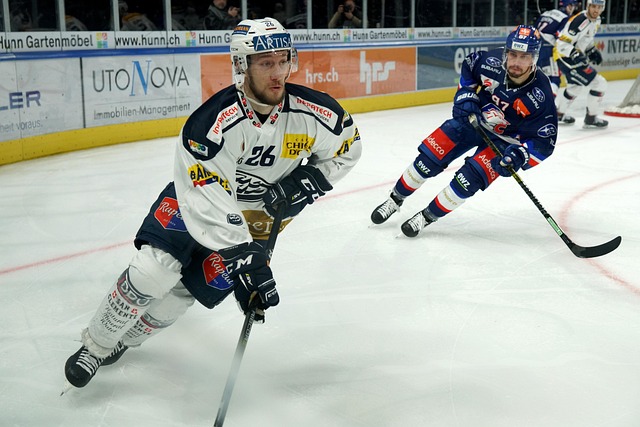
Hockey correct score betting is a wager on the exact final score of a game, such as 3–2 or 4–1. Unlike a bet on the winner, this market requires you to predict both teams’ goal totals. The selection only wins if the game finishes with the precise score shown on the betting slip.
How hockey correct score betting works
A correct score market lists possible scorelines for both teams. You choose one outcome, for example “Home team 3–2,” and the bookmaker applies odds to that selection. If the home team wins 3–2 under the market’s settlement rules, the bet is successful. A 3–1, 4–2, or overtime win would normally be a losing result unless the market specifically includes a different settlement format.
Correct score betting in hockey is different from predicting only the winner. A moneyline or match-winner bet may be settled by which team wins, while an exact hockey score prediction also depends on the number of goals scored by each side. This makes the market more specific and usually gives it higher odds than a basic winner selection.
For example, a market might show these options:
- Home team 3–2
- Home team 4–1
- Draw 2–2
- Away team 3–1
If the game ends 3–2 after the relevant period of play, only the 3–2 selection matches. The exact score market does not pay out because the predicted winner was correct; the complete scoreline must be correct.
Regulation time and overtime settlement
The most important detail in a hockey correct score market is whether it covers regulation time only or the final result including overtime and a shootout. Hockey rules and bookmaker terminology can differ, so read the market label and settlement terms before relying on the displayed score options.
Regulation-time correct score
A regulation-time exact score market is settled after the standard playing period. In many ice hockey competitions, that means the score at the end of three periods. If the game is tied at that point, a “draw” selection may be a valid result even if one team later wins in overtime or a shootout.
Including overtime and shootouts
A full-game or “to qualify” style market may include overtime. Some markets treat a shootout winner as having one additional goal for settlement, while others use a separate rule or exclude shootout goals from exact-score calculations. Do not assume that a 3–3 regulation score and a 4–3 shootout result will be settled the same way across all sportsbooks.
Check these points in the rules:
- How many periods are included?
- Are overtime and shootouts included?
- How is a shootout score recorded?
- Are postponed, abandoned, or shortened games voided?
- Does the market use the official result or the score at the end of regulation?
Why the odds can be high
An exact hockey score is a narrow outcome. A team may be likely to win, but it can do so by several different margins, such as 2–1, 3–1, or 4–2. The correct score market separates those possibilities, so each individual scoreline has a smaller estimated probability than the broad winner market.
Higher odds do not mean a selection is good value or likely to win. Bookmakers build a margin into the market, and the displayed prices may not perfectly reflect the true probability of every score. Comparing prices and understanding the rules can help you evaluate a market, but it cannot remove the uncertainty of predicting an exact result.
What affects an exact hockey score prediction?
Several factors can influence the likely scoreline, although none makes the outcome certain. Recent scoring and conceding rates can provide context, while starting goaltenders may affect how many goals a team is expected to allow. Injuries, suspensions, rest between games, travel, home advantage, special-teams performance, and expected line combinations can also matter.
The game state is especially relevant in hockey. A team that falls behind may take more attacking risks, creating opportunities for both a comeback and an empty-net goal. That late goal can turn a likely 3–2 result into 4–2 and make exact score predictions particularly fragile.
Useful related markets include hockey total goals, team totals, winning margin, and correct score at the end of regulation. These alternatives may offer a broader prediction than an exact final score, but each has its own rules and risks.
Common mistakes in hockey exact score betting
- Confusing winner and correct score markets: Picking the right team is not enough if the scoreline is wrong.
- Ignoring the settlement period: A regulation-time draw may become an overtime win in a full-game market.
- Overlooking shootout treatment: Shootout goals can be handled differently from goals scored during play.
- Choosing a score only because its odds are large: Long odds indicate a lower-implied probability, not automatically better value.
- Relying on a recent result alone: One unusual score may not represent the teams’ normal performance.
- Staking too much on a narrow outcome: Exact score markets have many ways to lose, even when the general match view is reasonable.
Only use money you can afford to lose, set a fixed budget, and avoid chasing losses. If betting stops feeling controlled, pause and seek help from a recognised responsible-gambling service in your country.
Frequently asked questions about hockey correct score betting
Does a correct score bet include overtime?
It depends on the market. Some hockey exact score bets cover regulation time only, while others include overtime and possibly a shootout. The market name and bookmaker’s settlement rules determine the result.
What happens if the game is tied after regulation?
In a regulation-time correct score market, the draw score at the end of the third period is usually the settled result. In a market covering overtime, the game may continue to a winning score for settlement.
Is a 3–2 shootout win always recorded as 3–2?
No. Sportsbooks may record shootout outcomes differently. Some add a goal to the winner’s total, while others settle using the score before the shootout. Confirm the specific rule before placing a bet.
How is correct score betting different from total goals?
Correct score betting predicts each team’s exact goal total. A total-goals market predicts only whether the combined number of goals is above or below a line, making it a broader outcome.