Why Is Ice Hockey Popular in Canada?
Ice hockey became popular in Canada through a mix of winter conditions, local community traditions, organized competition, media exposure, and a strong connection to national identity.
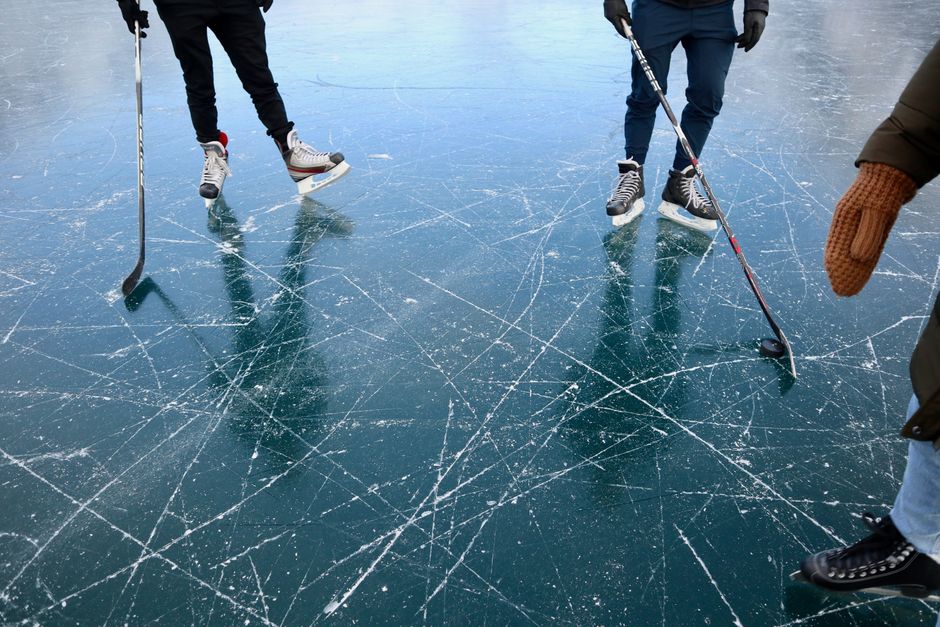
Ice hockey is popular in Canada because it developed into more than a winter pastime. Cold weather and frozen waterways made skating practical, while schools, community rinks, amateur clubs, professional teams, broadcasters, and families turned the sport into a lasting part of everyday life. Hockey is played across the country, although its importance and accessibility vary between regions and communities.
How Canada’s climate helped hockey grow
Canada’s long, cold winters created natural ice surfaces on ponds, lakes, canals, and outdoor rinks. People could skate and play for much of the winter before indoor arenas became common. This made early forms of ice hockey relatively easy to organize in towns and cities with suitable weather.
Outdoor hockey also required limited equipment compared with many organized sports. A stick, skates, a puck or improvised ball, and a cleared patch of ice were enough to start playing. Frozen public spaces allowed children and adults to learn the game informally, helping hockey spread through families and neighborhoods.
Community rinks made hockey a shared tradition
Local arenas helped turn casual winter games into organized sport. Municipal rinks, school programs, minor hockey associations, and volunteer coaches gave players regular ice time and structured competition. In many communities, the rink became a social meeting place as well as a sports facility.
Minor hockey in Canada has also connected several generations. Parents often introduce children to skating, help with practices or tournaments, and follow their teams throughout the season. This explains why questions such as “why do Canadians love hockey?” are closely linked to family tradition and community participation, not just professional success.
Professional hockey increased the sport’s visibility
Professional hockey gave Canadians teams, athletes, rivalries, and events to follow together. National broadcasts brought games into homes across the country, while local coverage made regional clubs part of community identity. The National Hockey League helped build a large audience, but the sport’s popularity existed before professional hockey reached its modern scale.
Successful Canadian players and teams have also influenced how the country sees hockey. International tournaments, Olympic competition, and major professional games can create shared moments for viewers who do not play the sport themselves. Television, radio, newspapers, and online coverage continue to reinforce that connection.
Hockey became part of Canadian identity
Hockey is often described as Canada’s national winter sport because it is associated with the country’s history, landscape, and cultural life. The sport appears in school activities, public celebrations, local fundraising, sports media, and family conversations. For many people, watching or playing hockey is a way to express regional pride and belonging.
That identity is not limited to one background. Indigenous communities, francophone communities, immigrants, and people in large cities and rural areas have all contributed to Canadian hockey. Players and fans bring different traditions to the game, even though access to ice, equipment, and organized programs is not equal everywhere.
Why do Canadians still play hockey despite its cost?
The sport can be expensive because players may need skates, protective equipment, team fees, transportation, and regular ice time. Those costs are one reason hockey participation is not equally available to every family. Community equipment exchanges, subsidies, public skating programs, ball hockey, street hockey, and school initiatives help broaden access.
Hockey also competes with soccer, basketball, baseball, skiing, and other sports. Its continued popularity comes partly from the depth of its support system: public rinks, volunteer organizations, youth leagues, competitive pathways, professional coverage, and informal games all reinforce one another.
Is ice hockey popular throughout Canada?
Hockey has a strong presence in every province and territory, but participation differs according to climate, population density, local facilities, income, and competing sports. Urban areas may have many indoor arenas but limited affordable ice time. Remote and northern communities may face travel and equipment challenges, while outdoor ice conditions vary from year to year.
These differences add useful context to the question “why is ice hockey popular in Canada?” The answer is not simply that all Canadians play. Hockey remains prominent because it is supported by institutions and traditions that connect playing, watching, coaching, and community life.
Frequently asked questions
Is hockey Canada’s official national sport?
Canada recognizes hockey as its national winter sport and lacrosse as its national summer sport. This distinction reflects hockey’s cultural importance without suggesting that it is the country’s only major sport.
Why is ice hockey associated with Canada?
Canada’s cold winters, early development of organized hockey, outdoor skating traditions, community rinks, professional teams, and international achievements all helped create that association.
Did hockey originate entirely in Canada?
The modern sport developed through several influences and earlier stick-and-ball games. Canada played a major role in shaping organized ice hockey, establishing rules, clubs, competitions, and institutions that helped the sport spread.