How to Handicap a Hockey Game: A Practical Betting Method
Learn how to handicap a hockey game by evaluating goaltenders, lineups, team performance, schedule factors, market prices, and expected value before placing a bet.
To handicap a hockey game, you need to estimate the true probability of each outcome and compare it with the price offered by a sportsbook. The strongest analysis combines goaltending, five-on-five performance, special teams, injuries, rest, travel, and market movement rather than relying on standings or recent scores alone.
What hockey handicapping means
Hockey handicapping is the process of assessing a matchup to decide whether a moneyline, puck line, or total offers value. It is not simply predicting which team will win. A team can be more likely to win but still be a poor bet if the odds are too short.
For example, if your analysis gives a team a 55% chance of winning, its fair decimal price is approximately 1.82. A price of 2.00 could represent value, while 1.65 would require a much higher win probability to justify the risk.
The main hockey betting markets are:
- Moneyline: a bet on the team that wins the game, usually including overtime and shootouts.
- Puck line: a spread, commonly set at -1.5 or +1.5 goals. The price can vary significantly from the moneyline.
- Game total: a wager on whether the combined goals finish over or under the posted number.
- Team total: a wager on one team’s goals rather than the full game score.
How to handicap a hockey game
1. Confirm the starting goalies
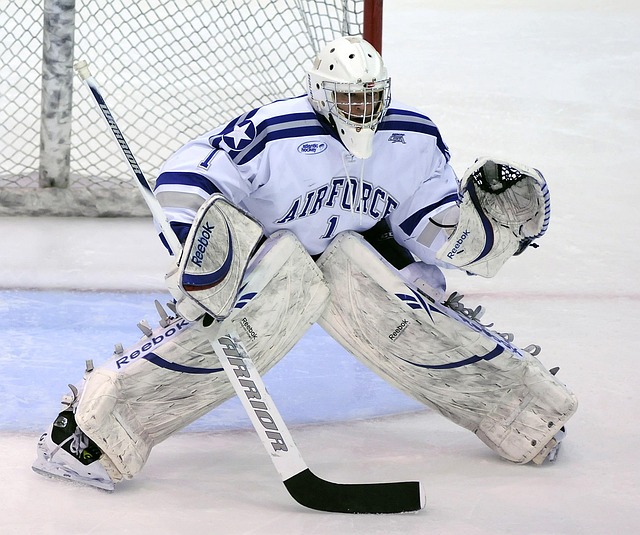
Goaltending can have a larger effect on a single hockey game than many team-level statistics. Confirm the expected starters through reliable team or league news before betting. Compare recent save percentage with larger-sample performance, but avoid treating a short hot streak as a permanent change in ability.
Also consider workload. A goalie playing on consecutive days may face a different situation from one coming off several days of rest. Backup-goalie starts can materially affect the moneyline and total, so do not finalize a handicap before checking the lineup announcement.
2. Measure five-on-five team strength
Five-on-five play usually provides a more stable view of team quality than short-term results. Useful indicators include shot attempts, shots on goal, expected goals, scoring chances, and goal share. Look for whether a team consistently controls possession and creates better chances, not merely whether it has won its last few games.
Expected-goals data can help identify teams that are being helped or hurt by unusually high shooting or save percentages. A team winning despite being outplayed at five-on-five may be vulnerable, while a team losing close games with strong chance creation may be undervalued.
3. Evaluate special teams and discipline
Power-play and penalty-kill performance matter most when the matchup is likely to produce penalties. Compare each team’s power-play efficiency with the opponent’s penalty kill, then consider penalty rates and officiating tendencies where reliable data is available.
Special-teams statistics can be noisy over a small number of games. Give more weight to sustainable factors such as shot generation, zone entries, puck movement, and the quality of the players used on each unit.
4. Check injuries, line combinations, and defensive pairings
Do not count every absent player equally. The effect of an injury depends on the player’s role, replacement quality, position, and deployment. The loss of a top center may affect faceoffs, puck possession, and power-play structure, while the absence of a depth winger may have a smaller effect.
Check confirmed line combinations and defensive pairings when possible. A lineup change can alter a team’s ability to exit its zone, defend rush chances, or create offense against a particular opponent.
5. Account for schedule and matchup conditions
Rest, travel, altitude, back-to-back scheduling, and long road trips can influence performance. These factors should support your analysis rather than replace it. A tired team may struggle to forecheck or defend transitions, while a rested team may have an advantage in pace and special-teams execution.
Style also matters. A team that relies on controlled exits may have difficulty against an aggressive forecheck. A low-event defensive team may be a better fit for an under bet than its season scoring average suggests. Compare how the teams create and prevent chances against similar opponents.
How to handicap hockey totals
For an over-under hockey bet, estimate the likely scoring environment rather than adding the teams’ average goals. Examine expected goals for and against, shot volume, finishing talent, goaltending, power-play opportunities, and the pace of both teams.
Ask whether the posted total already reflects the obvious information. A total of 6.5 goals may have a different risk profile at a heavily shaded over price than at a modest under price. The number and the odds both matter.
Totals are especially sensitive to goalie news. A strong starter, conservative defensive structure, or limited rest can point in different directions depending on the matchup. Avoid betting an under solely because one team has recently played several low-scoring games.
Comparing your handicap with the betting market
After forming an opinion, compare your estimated probability with several available prices. Convert decimal odds to implied probability by dividing 1 by the decimal price. For American odds, use the standard conversion and remember that the result includes the sportsbook’s margin.
Do not treat line movement as proof that a bet is correct. A price may move because of lineup news, professional betting, limited market liquidity, or a sportsbook adjusting its risk. The useful question is whether the current price still differs from your estimated fair price.
Keep a record of your opening price, closing price, selection, estimated probability, and result. A record helps reveal whether your process finds value or whether short-term wins are masking poor decisions. Assess performance over a meaningful sample rather than a handful of games.
Common mistakes in hockey betting analysis
- Overweighting recent scores: A 5–1 result may include unusual shooting, goaltending, or empty-net effects.
- Ignoring the goalie confirmation: The expected starter may not be the confirmed starter.
- Using standings as the whole handicap: Standings do not show schedule strength, injuries, or underlying chance quality.
- Chasing losses: A losing bet does not automatically require a larger next wager.
- Confusing a likely winner with a good price: Probability and value are separate decisions.
- Betting every game: Passing is appropriate when the evidence is unclear or the price offers no edge.
A simple hockey handicapping checklist
Before placing a wager, verify the starting goalies, review five-on-five chance quality, check injuries and line combinations, assess special teams and discipline, consider rest and travel, choose the market that best matches your edge, and compare prices across available books.
Set a stake before betting and use only money you can afford to lose. No handicap removes uncertainty, and even a well-researched wager can lose. If betting stops being recreational or begins creating financial pressure, stop and seek help from an appropriate local support service.
Frequently asked questions
What is the most important factor when handicapping hockey?
Confirmed goaltending is often one of the most important single-game variables, but it should be evaluated alongside five-on-five performance, lineup news, and the market price.
Is the moneyline or puck line easier to handicap?
The moneyline is usually simpler because it only requires judging the winner. The puck line can offer better value when you have a view on margin, but overtime rules, empty-net goals, and price differences make it more sensitive to game script.
How many games should be used in hockey analysis?
Use a larger sample to judge team strength and a smaller recent sample to identify current lineup, goalie, or tactical changes. Neither season-long numbers nor recent form should be used in isolation.