What Is Slashing in Ice Hockey? Rules, Penalties and Examples
Slashing in ice hockey is an illegal stick action used to hit or impede an opponent. Learn what counts as slashing, how referees judge it and what penalties can follow.
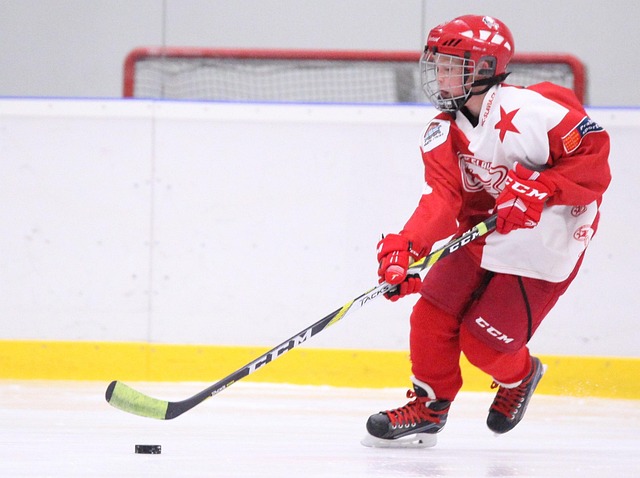
Slashing in ice hockey is an illegal action in which a player uses the shaft or blade of the stick to swing at, strike or impede an opponent. The contact may be directed at the opponent’s body, stick or hands. A player does not need to cause an injury for the referee to call a slashing penalty.
The main point is intent and force. A normal attempt to play the puck can include minor stick contact, but a forceful chop, a dangerous swing or a deliberate hit away from the puck can become a penalty.
What counts as slashing in hockey?
A referee may call a player for slashing when the stick is used as a weapon rather than as a legitimate tool for playing the puck. Common examples include:
- Swiping the stick into an opponent’s hands or arms
- Striking an opponent’s legs, back or body with the blade or shaft
- Delivering a forceful chop at an opponent’s stick after losing possession
- Using the stick to prevent an opponent from skating, shooting or receiving a pass
- Swinging the stick at an opponent, even if the swing misses
That last situation is often misunderstood. A missed slash can still be penalized because the dangerous action itself may violate the rule. Contact is not always required.
How slashing differs from a legal stick check
Players are allowed to use their sticks to defend. A controlled poke check aimed at the puck is generally different from a slash. The distinction depends on where the stick is directed, how much force is used and whether the player is making a genuine attempt to play the puck.
For example, a quick poke that knocks the puck away may be legal even if the sticks briefly touch. A sharp swing into an opponent’s hands after the puck has moved away is much more likely to be called slashing. Referees also consider whether the action creates a risk of injury or has no realistic connection to playing the puck.
What is the penalty for slashing?
In many rule codes, an ordinary slashing infraction results in a minor penalty, which usually sends the offending player to the penalty box for two minutes. The exact wording and penalty options can vary between leagues, so professional, international, junior and recreational competitions may not apply the rule in exactly the same way.
A referee can impose a more serious penalty when the slash is particularly forceful, reckless or dangerous. Injury, retaliation, an obvious attempt to hurt an opponent or repeated aggressive conduct can affect the decision. In those cases, the call may involve a major penalty, a misconduct or another disciplinary sanction under the competition’s rules.
If the penalized team is shorthanded, the opponent normally receives a power play. A penalty may instead be served without a full power play in certain situations, such as when both teams receive matching penalties or when league-specific procedures apply.
Examples of slashing during a game
A defender who lightly taps an opponent’s stick while trying to lift it may be attempting a legal defensive play. If the defender chops downward into the opponent’s wrists after the puck is gone, that is a typical example of a slash.
Another common example occurs after a scoring chance. A frustrated player may swing at the goal scorer’s legs or hands away from the play. Even a brief strike can draw a slashing call, and a harder blow may lead to additional discipline.
Stick contact during a faceoff also needs context. Players may battle for position and the puck, but a deliberate strike at an opponent’s hands is not made legal simply because the faceoff is taking place.
Why referees do not call every stick contact
Ice hockey is a fast sport with constant stick-on-stick and stick-on-equipment contact. A referee is not looking for a penalty every time two sticks meet. The focus is on illegal use of the stick: excessive force, a dangerous motion, contact with vulnerable areas or an action that clearly impedes an opponent.
This is why two similar-looking plays can receive different decisions. One may be a genuine poke check with incidental contact; the other may be a late, forceful swing. Video replays can make the contact look obvious, but the referee must judge the speed, angle and context of the play in real time.
Frequently asked questions about slashing
Is slashing only called when a player is hit?
No. A swing at an opponent can be penalized even when it misses. The attempted action may still be dangerous or intended to intimidate.
Can slashing be called for hitting another player’s stick?
Yes. Stick-on-stick contact is not automatically legal. A forceful chop or swing directed at the opponent’s stick, especially away from a legitimate puck play, can be called slashing.
Is a slash always a two-minute penalty?
No. A routine slash often receives a minor penalty, but the referee may apply a more serious penalty when the action is dangerous, unusually forceful or causes an injury. The competition’s rulebook controls the available penalties.
What is the difference between slashing and tripping?
Slashing concerns illegal use of the stick to strike, swing at or impede an opponent. Tripping concerns causing an opponent to lose balance or fall by using the stick, body or another part of the player’s equipment. A stick action can sometimes fit more than one description, so the referee calls the infraction that best matches the play.