Why Do Ice Hockey Players Wear Mouthguards?
Ice hockey mouthguards protect teeth, lips, cheeks and the jaw from pucks, sticks, skates and collisions. Their role in reducing concussion risk is more limited and depends on fit, design and impact conditions.
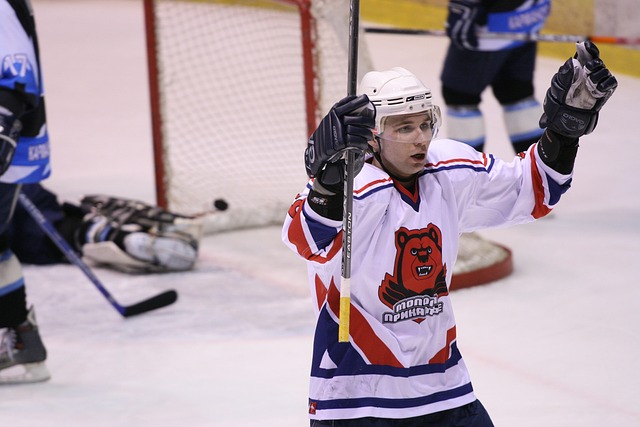
Ice hockey players wear mouthguards primarily to protect the mouth during collisions and contact with sticks, pucks, boards and other players. A properly fitted guard can reduce the chance of chipped or knocked-out teeth, cuts to the lips and cheeks, and injuries caused by the jaw closing suddenly during an impact.
What does an ice hockey mouthguard protect?
Hockey is played at speed, often with sticks and a hard puck close to the face. Even players wearing full face protection can suffer mouth injuries when the lower jaw is struck, the cage or shield moves into the face, or two players collide.
- Teeth: The material cushions direct blows and helps prevent teeth from hitting one another.
- Lips and cheeks: A mouthguard creates a barrier between soft tissue and the teeth.
- Jaw: It can help distribute some impact and reduce force transmitted through a clenched bite.
- Dental restorations: Players with braces, crowns or other dental work may need a guard designed specifically for their mouth.
The protection is not absolute. A mouthguard cannot stop every dental injury, and it does not replace a helmet, facial protection or safe checking technique.
Do mouthguards prevent concussions?
This is the point that often causes confusion. Mouthguards are excellent dental protection, but evidence that they prevent concussions is limited and inconsistent. A guard may reduce some forces associated with a blow to the jaw, yet concussions can result from the rapid movement of the brain inside the skull after contact with the head, neck or body. A mouthguard cannot reliably prevent that movement.
For that reason, players should not treat a mouthguard as concussion protection. Anyone who develops symptoms such as headache, dizziness, nausea, confusion, unusual fatigue or sensitivity to light after a hit should leave play and be assessed according to local medical guidance.
Which type of hockey mouthguard is best?
There are three common options. Stock mouthguards are ready to wear but often fit loosely. Boil-and-bite mouthguards soften in hot water and mold around the teeth, making them more comfortable and secure than stock versions. Custom mouthguards are made by a dentist from an impression of the player’s mouth and generally provide the best fit, retention and speech comfort.
For children, players with braces and athletes who frequently lose or chew through guards, professional advice is especially useful. The guard should stay in place without constant biting, allow the player to breathe and speak, and not interfere with the helmet or facial cage.
Do hockey rules require mouthguards?
Requirements differ between leagues, age groups and countries. Some youth competitions mandate mouthguards, while adult leagues may recommend them or leave the choice to the player. A team’s equipment rules can also be stricter than the governing body’s minimum standard.
Players should check the current rules of their league rather than assume that a mouthguard is compulsory everywhere. Even where it is optional, the risk of dental injury makes wearing a well-fitted guard a sensible equipment choice.
How should players care for a mouthguard?
Rinse the guard with cool water after every use and clean it regularly with a soft toothbrush or product recommended by a dentist. Store it in a ventilated case, away from direct heat, and inspect it for cracks, holes or changes in fit. Replace it when it becomes damaged, no longer fits securely, or shows heavy chewing. Young players may also need a replacement as their teeth and jaw develop.
The short answer to “why do ice hockey players wear mouthguards?” is dental protection. A mouthguard helps shield the teeth and soft tissues from common hockey impacts, but it is only one part of protective equipment and should never be presented as a guaranteed way to prevent concussion.