Why Is Ice Hockey Popular in Sweden?
Ice hockey became deeply rooted in Sweden through accessible local rinks, strong clubs, youth development, national pride and a sporting culture that rewards teamwork.
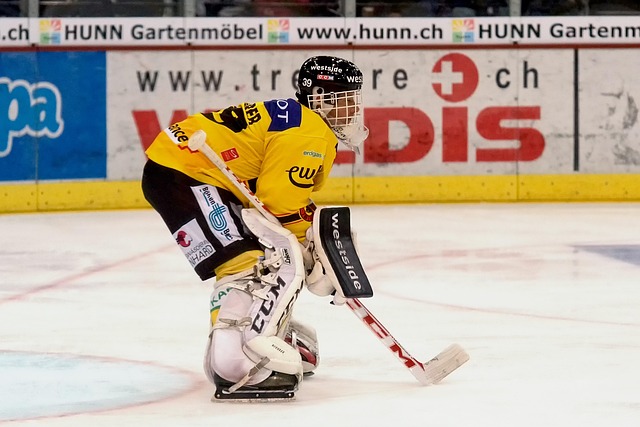
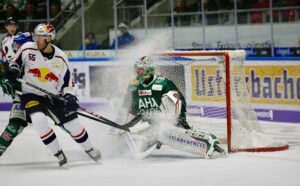
In Sweden, an ice rink can be part of ordinary community life rather than a distant arena reserved for major events. Children learn to skate through local clubs, families follow teams from nearby towns, and the national team’s success gives the sport a prominent place in Swedish sporting culture. That combination helps explain why ice hockey is popular in Sweden.
A cold climate helped, but culture made the difference
Sweden’s long, dark winters created natural conditions for ice sports. Frozen outdoor surfaces once offered opportunities to skate and play, particularly in the northern and central parts of the country. Modern hockey now depends mainly on indoor rinks, but the seasonal connection between Swedish life and ice remains strong.
Climate alone does not explain Sweden’s hockey tradition. Several countries have cold winters without developing the same level of interest. In Sweden, municipalities, sports associations and volunteer-run clubs gradually built a reliable network of facilities. That made ice hockey available beyond Stockholm and other large cities, including in smaller communities where a local club can serve as a major social meeting point.
Local clubs give children a clear path into the sport
Swedish youth hockey is closely connected to community clubs. Young players commonly begin with skating and basic puck skills before progressing through age-group teams. Families may volunteer at games, help with travel or support fundraising, making the club more than a place for competition.
This structure answers one of the biggest practical questions behind hockey’s popularity: how do new players enter an expensive and technically demanding sport? Equipment-sharing programs, beginner sessions and organized youth teams can reduce the barrier for families. The route from a local rink to junior hockey, the Swedish Hockey League or a professional career is visible, even if only a small number of players reach the top.
Swedish hockey development is also known for emphasizing skating, puck control, decision-making and team play. Those priorities help young athletes build a broad foundation instead of relying only on size or physical strength.
Success has turned national teams into cultural symbols
Sweden’s men’s national team, known as Tre Kronor, has won major international tournaments, including the IIHF World Championship and Olympic hockey titles. Swedish women’s hockey has also produced international players and a growing competitive structure. Every strong tournament run reinforces the idea that a relatively small country can compete with the sport’s biggest hockey nations.
National-team games create a shared audience that extends beyond regular league supporters. During world championships and the Olympics, people who do not attend club matches may still watch Sweden play, discuss roster selections and follow the results. The blue-and-yellow jersey becomes a straightforward expression of national pride.
The Swedish Hockey League keeps the sport visible
Club hockey provides the regular rhythm that international tournaments cannot. The Swedish Hockey League, commonly called the SHL, features established teams from cities and regions across the country. Its season creates recurring local rivalries, packed arenas and familiar sporting identities.
Swedish fans often support a club because it represents their hometown or region. That connection gives games an importance beyond the final score. A match can bring together different generations of supporters, while local media and broadcasters keep team news in everyday conversation.
The country’s clubs have also developed a reputation for producing players who succeed in the National Hockey League and other major competitions. Swedish stars playing abroad raise the profile of the sport at home, while NHL games give supporters another reason to follow hockey throughout the year.
Teamwork fits the country’s sporting identity
Many observers associate Swedish hockey with structure, intelligent passing, responsible defending and collective play. Individual skill matters, but players are expected to contribute within a system. That style reflects the way the sport is taught in many Swedish clubs: technical ability is paired with awareness, discipline and cooperation.
Hockey also offers a strong local-versus-local story. A town can rally around its team, develop rivalries with nearby communities and take pride in players who began on the same municipal ice. This sense of belonging helps the sport remain popular even when a club is not winning championships.
Why hockey remains popular in Sweden
Ice hockey’s appeal in Sweden comes from several forces working together: a long history of ice sports, accessible club pathways, a dense network of rinks, successful national teams and powerful local identities. The sport is visible at both ends of the scale, from a child learning to skate at a community rink to a Swedish star playing on an international stage.
That continuity is the central reason hockey has such a strong position in Swedish culture. People do not encounter it only as elite entertainment. They meet it through schools, families, clubs, local arenas and national broadcasts. For many Swedes, hockey is not simply a sport to watch; it is a community tradition to take part in.